Imagine you are finishing a paper about social media, and you ask AI to finish everything and find credible sources for you. The sources it gives you look great, with authors, titles, and dates. Everything looks ready to paste into your reference list. Then you search for one of the articles it gives you, and nothing comes up.
For college students, this is one of the most useful things to understand about generative AI: a convincing answer can still be wrong. This is also why I do not think students should let AI complete their assignments. When we submit something with our name on it, we should understand what it says and know where the information came from.
A chatbot such as ChatGPT uses a large language model during training, these models process huge amounts of text. They learned patterns involving language and writing styles. As IBM explains, training includes making predictions and adjusting internal numerical settings when those predictions miss the target.
The model works with small pieces of text called tokens. A token might be a word, part of a word, or punctuation. Google’s introduction to language models explains that language models estimate the probability of tokens based on context. When generating an answer, a model selects a next token, adds it to the text, and continues. A paragraph grows through this repeated process.
Learning these patterns gives AI many useful abilities, However, It does not make every generated sentence a checked fact. A model can produce the familiar shape of a research citation without identifying a real paper behind it.
This kind of error is often called a hallucination. IBM’s explanation of AI hallucinations includes invented studies, false facts, and nonexistent web addresses. The difficult part for readers is that these details looks great and reasonable .
There is research showing this problem. In a 2023 study published in Scientific Reports, William H. Walters and Esther Isabelle Wilder examined 636 references from literature reviews generated by GPT-3.5 and GPT-4. They found that 55%of the GPT-3.5 references and 18% of the GPT-4 references were fabricated.
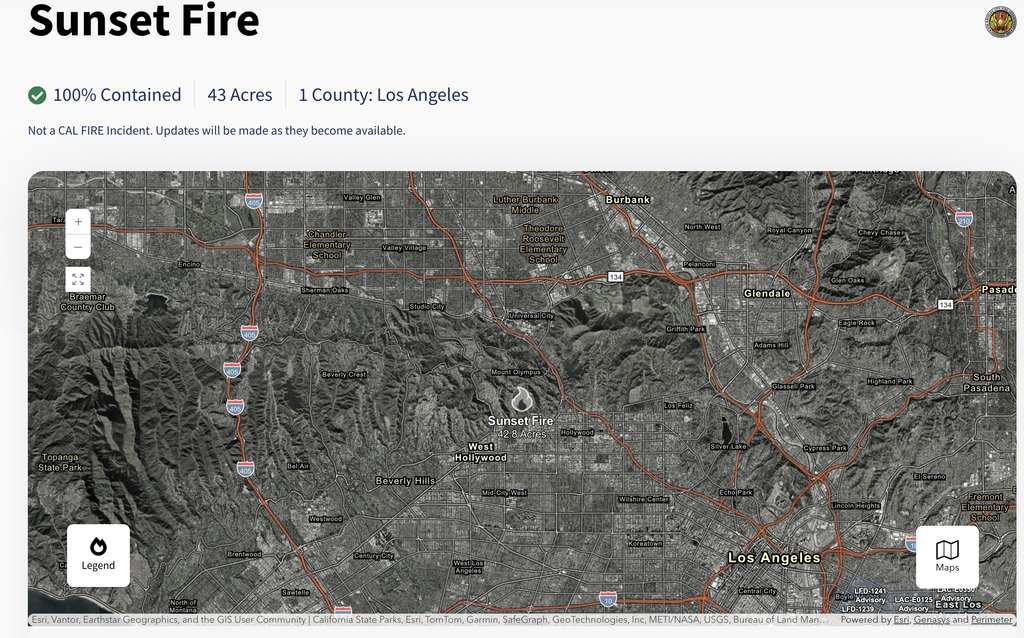
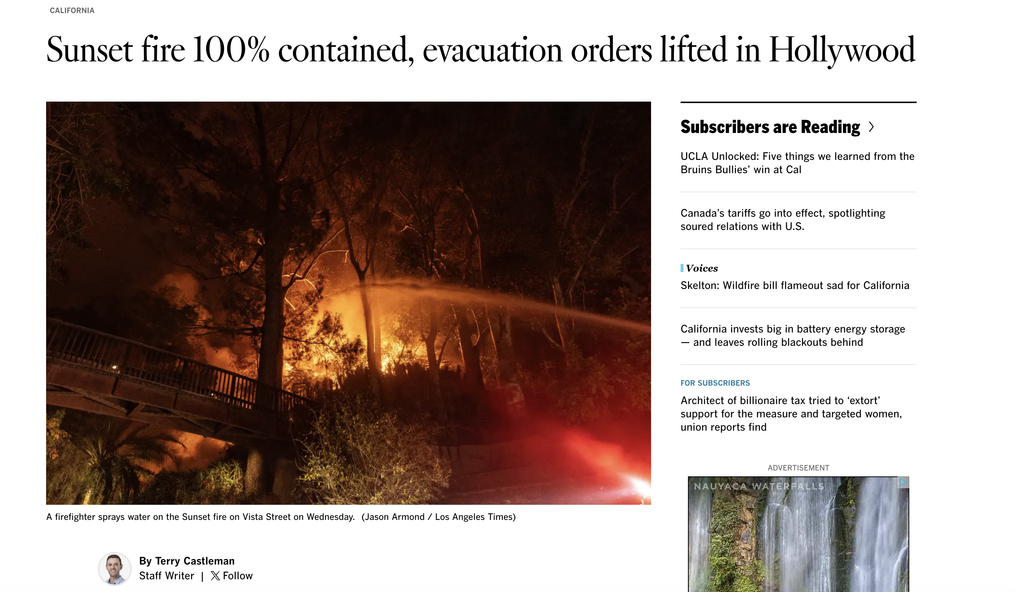
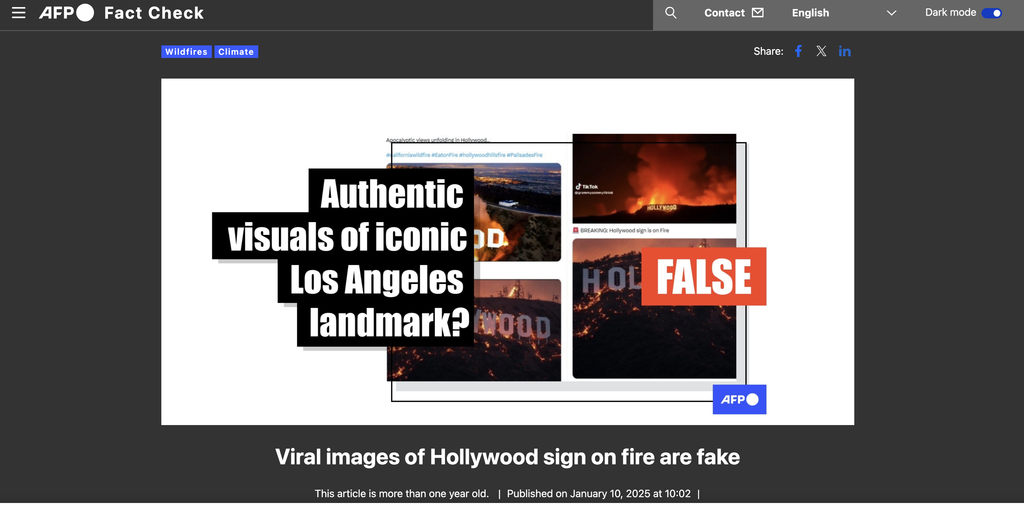
To me, this is where the misinformation problem becomes personal. We usually talk about misinformation through elections, conspiracy theories, or viral videos. But it can also enter a classroom through an ordinary assignment. A student could trust a false claim, write it into their essay and pass it to other classmates.
Another reason I would not let AI do an entire assignment is that I would miss the work behind the answer. Reading different sources helps me decide what I agree with and why. If I skip that part, I might submit an essay but still struggle to explain its main argument in class. This matters for creativity too. An essay gives students space to choose examples and develop their own opinions. If AI chooses the argument, evidence, and wording, there is very little left for the student to decide.
Some AI systems today can retrieve outside information before answering. Google Cloud explains retrieval-augmented generation as a process that brings material from sources such as websites or databases into the model’s context. This gives the model relevant information to use while generating its response. It can improve accuracy, although the quality of the retrieved material still matters.
But that does not mean we can stop checking. A link might open successfully, but the page still needs to support the claim in the essay. Before using a source, I would check its title, author, and date. Then I would find the section that supports my point.If I cannot find the source, I would remove the claim or look for evidence somewhere else.
It might feel easier to ask AI to do all of this, especially when an assignment is due soon. But if I have to check every source and correct the argument afterward, the shortcut may create more work. Students should not hand over their assignments to AI and assume the results are trustworthy. We need to write our own arguments and check the content and references we use. A finished essay should show what we understand, and we should be able to explain the evidence behind it.